
The Enchanting World of HacivatandKaragoz
HacivatandKaragoz is a captivating traditional shadow puppet theatre that originates from the rich cultural tapestry of Turkey. Steeped in history and cultural significance, this folk art form has entertained audiences for centuries, serving as both a form of entertainment and a conduit for social commentary. As we delve into the world of HacivatandKaragoz, we discover a unique and timeless art that continues to capture the imagination of audiences around the globe.
Introduction to HacivatandKaragoz
Originating from Ottoman Turkey, the story of HacivatandKaragoz is deeply rooted in the cultural and historical context of the region. This traditional art form draws upon the art of shadow play, a technique that involves using flat articulated figures (puppets) to create the illusion of moving images on a screen. These puppets are crafted from translucent leather and are known for their vibrant colors and intricate designs, which are brought to life by the skilled manipulation of a puppeteer.
Historically, the performances were known for their humorous and satirical nature, often incorporating elements of current events into the narrative. Today, these performances continue to serve as a platform for storytelling, expression, and cultural preservation.
Understanding the Characters
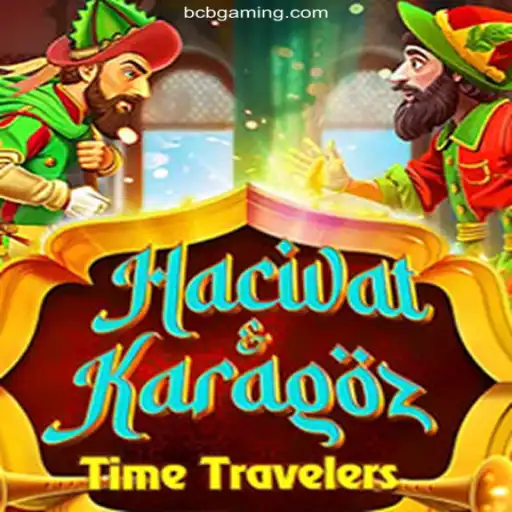
The protagonists of HacivatandKaragoz are two iconic characters, Hacivat and Karagoz. Hacivat is depicted as the educated and articulate figure, often portrayed as the voice of reason. On the other hand, Karagoz is characterized by his witty and mischievous nature, serving as a comedic counterpart to Hacivat. The dynamic between these two characters forms the core of the narrative, with their interactions reflecting broader societal themes and everyday life challenges.
Basic Rules of HacivatandKaragoz
The art of shadow play in HacivatandKaragoz follows a structured format. These performances typically commence with an introductory segment known as the mukaddime, where the puppeteer introduces the characters and sets the stage for the unfolding drama. This is followed by a series of comedic exchanges and dialogues between Hacivat and Karagoz, often interspersed with songs and musical interludes.
An important aspect of these performances is the use of improvisation. Puppeteers are skilled at incorporating elements of contemporary culture and current events into the narrative, providing audiences with a performance that is both entertaining and relevant. The flexibility to adapt to modern themes keeps the art form alive and engaging, allowing it to resonate with modern audiences.
The Appeal of HacivatandKaragoz Today
The timeless appeal of HacivatandKaragoz is not only limited to its humorous narrative but also lies in its capacity to adapt to contemporary audiences. As societal norms and current events evolve, so does the narrative of this shadow play, ensuring its relevance in a rapidly changing world. This adaptability is a testament to the enduring nature of traditional art forms, which, while rooted in history, remain significant to present-day socio-cultural contexts.
Moreover, the growing interest in cultural heritage has led to a resurgence of interest in traditional forms of entertainment. Platforms like BCBbet, while traditionally associated with more contemporary forms of gaming, have started to explore opportunities in promoting cultural arts, thereby expanding the reach and impact of HacivatandKaragoz.
The Influence of Current Events
Incorporating current events into the art of HacivatandKaragoz has always been central to its narrative. Puppeteers skillfully blend traditional stories with contemporary issues, addressing themes such as societal changes, global developments, and cultural identity. In recent years, the art form has explored topics ranging from globalization and technological advancements to cultural preservation and social justice.
As a result, HacivatandKaragoz serves as a platform for discourse and reflection, challenging audiences to engage with the world around them critically. This aspect of the performance is what continues to make it an important cultural artifact and a vital component of Turkey's cultural heritage.